
A court in Nebraska awarded $3.365 million in damages to a plaintiff whose wife went into cardiac arrest several days after undergoing gastric bypass surgery and died several months later. The victim had seven children under the age of 18 at the time of her death.
The patient underwent gastric bypass surgery in December 2012, when she was 45 years old. Because her husband was unable to work due to health issues, the patient worked to provide income and health insurance for her large family.
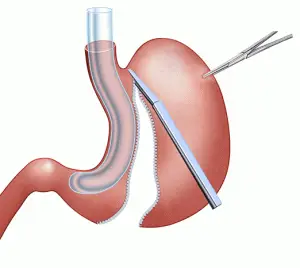
The patient struggled with her weight for most of her adult life. Despite efforts to lose weight through diet and exercise, she remained obese and began to suffer from high blood pressure and type II diabetes. In 2012, she decided to undergo weight loss surgery. The type of surgery she chose, in accordance with physicians’ advice, was a gastric bypass surgery that drastically reduces the size of the stomach pouch, so that the patient can only eat a few ounces of food at each meal.
Gastric bypass surgery has become widespread in the United States, and the risk of serious complications is low. More than 150,000 Americans underwent gastric bypass surgery in 2010, and less than 1% of them died from complications from the surgery. Most gastric bypass-related deaths occur in patients who had other underlying health conditions that increased their risk of severe complications. Most complications that patients experience after gastric bypass are non-life-threatening, such as chronic diarrhea or failure to achieve a body mass index considered healthy.
The patient’s gastric bypass surgery took place on December 18, 2012, and she was discharged from the hospital on December 21. She spent Christmas at home with her family, and in the early hours of December 26, she suffered a heart attack. Doctors were able to revive her, but because the event had left her brain deprived of oxygen for some time, she never regained the ability to speak. She spent six weeks in the hospital before being transferred to a nursing home, where she remained until her death on March 24, 2013.
The costs associated with the patient’s care in the last months of her life were astronomical, even with the health insurance provided by her job. The bills from the hospital alone were more than $400,000, not including the bills from the physicians who treated the patient during her hospital stay.
The patient’s husband filed a lawsuit against the hospital and the physicians who treated her after her surgery. He alleged that the physician who decided to discharge the patient several days before Christmas had breached the standard of care, since the patient’s medical records from the day of her release show that her potassium levels were dangerously high. The attorneys for the plaintiff argued that the standard of care would require the doctor to keep the patient in the hospital until her potassium levels were stable and to treat her with potassium binders, if appropriate.
High potassium (hyperkalemia) results when the kidneys do not remove potassium from the bloodstream as they should. It can occur when a person is dehydrated, as a side effect of certain medications, and as a complication of diabetes. Many people experience nausea or chest pain when they are experiencing hyperkalemia; the patient in this case seemed to feel fine on Christmas Day, especially given that she had undergone gastric bypass surgery less than two weeks earlier, but she collapsed suddenly.
The court ruled in favor of the plaintiff and awarded damages in excess of $3 million. The defendants had filed a motion to cap the damages at $1.75 million. The reason that the court awarded such a large amount is that the patient’s husband and children had depended on her income and health insurance, and also because the patient was so young. Awards in medical malpractice and wrongful death cases often include future lost wages for the deceased, which can be a significant amount when the victim is young and at the start of his or her career.
Due to the complicated and unique elements of this case and many other medical malpractice cases, the testimony of expert witnesses can mean the difference between compensation for the loss of a loved one and nothing at all. The family in this case would not have been able to recover the settlement money they needed without the testimony of medical expert witnesses.