
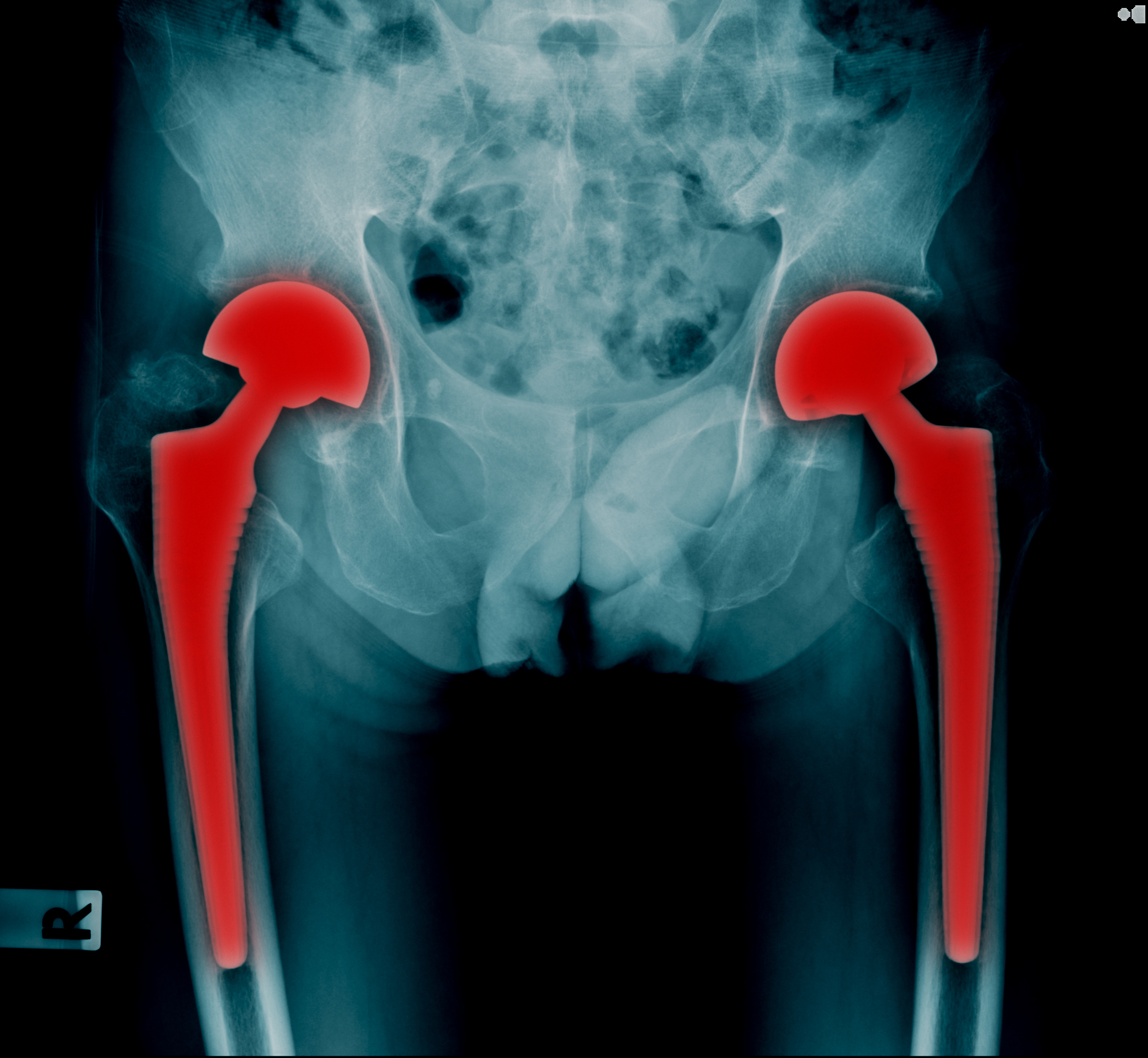
 Hip replacement surgery is one of the most commonly performed orthopedic procedures in the United States, widely regarded as safe, effective, and life-changing for patients suffering from degenerative joint disease or traumatic injury. For attorneys, this familiarity can be a double-edged sword. On the one hand, jurors often assume these surgeries are routine and low-risk. On the other, when complications arise, particularly devastating neurological injuries, the case demands a careful, expert-driven analysis of what went wrong and why.
This matter involves an adult patient who underwent hip replacement surgery that was complicated by a sciatic nerve injury, resulting in significant functional impairment, including loss of use of the leg and foot drop. These outcomes are not minor or transient; they fundamentally alter mobility, independence, and quality of life. For counsel assessing liability, causation, and damages, the timing and specifics of the surgical procedure are central to the analysis.
Why Sciatic Nerve Injuries Matter in Litigation
The sciatic nerve is the largest nerve in the body, responsible for motor and sensory function of much of the lower extremity. Injury to this nerve during hip surgery can result in permanent disability, chronic pain, and profound limitations on ambulation. From a legal perspective, sciatic nerve injury cases often turn on whether the injury was an unavoidable complication or the result of preventable surgical error.
Defense counsel may characterize sciatic nerve injury as a known risk of hip replacement surgery. Plaintiff’s counsel, however, must examine whether proper precautions were taken to mitigate that risk. This is where surgical approach, intraoperative decision-making, and patient-specific risk factors become critical.
Surgical Approach and Timing: The First Layer of Analysis
Different hip replacement approaches, posterior, lateral, or anterior, carry different risk profiles for sciatic nerve injury. Depending on the approach used, the nerve may be at risk during tissue dissection, retraction, or implant placement. An expert orthopedic trauma surgeon explains that during dissection “there are steps that can be taken to help decrease the risk of injury,” including techniques to relax the nerve and minimize traction.
For attorneys, this raises immediate questions:
- Which surgical approach was selected, and why?
- Was that approach appropriate given the patient’s anatomy and pre-existing conditions?
- Were nerve-protective steps documented in the operative report?
The timing of the injury also matters. Was the deficit noted immediately post-operatively, or did it develop over time? Immediate post-operative foot drop may suggest intraoperative nerve trauma, excessive traction, or improper positioning. Delayed onset may point to postoperative swelling, hematoma, or compression. Each scenario carries different implications for liability and standard of care.
Preventing Sciatic Nerve Injury: What the Standard of Care Requires
According to the orthopedic trauma surgery expert consulted in this case, there are multiple surgical factors that can contribute to sciatic nerve injury if not properly managed. These include:
- Improper patient positioning on the operating table, which can place undue tension on the nerve.
- Careless dissection or tissue handling, particularly in proximity to the nerve.
- Inappropriate instrument placement, including retractors that compress or stretch neural structures.
- Failure to recognize patient-specific risk factors, such as pre-existing deformity or limb length discrepancies.
These factors are not theoretical. They are well-documented considerations in orthopedic training and practice. For example, patients with longstanding hip deformities may have shortened soft tissues and nerves. Restoring “normal” anatomy during replacement can stretch the sciatic nerve beyond its tolerance if done without adequate release or gradual correction.
For attorneys, this translates into a critical liability question: did the surgeon recognize and account for these risk factors, or did they proceed as though the patient were anatomically routine?
Limb Lengthening and Nerve Stretch: A Common Litigation Theme
One recurring issue in sciatic nerve injury cases is limb lengthening during hip replacement. Even modest increases in leg length can place significant strain on the sciatic nerve, particularly in patients with pre-existing contractures or deformities. If post-operative imaging or measurements show substantial limb length discrepancy compared to pre-operative status, this may support an argument that excessive lengthening contributed to nerve injury.
Expert testimony is often decisive here. An experienced orthopedic trauma surgeon can explain not only whether the limb lengthening was excessive, but whether alternative surgical strategies could have reduced the risk without compromising joint stability.
Documentation, or the Lack Thereof
From a litigation standpoint, operative notes and postoperative records are often as important as what happened in the operating room itself. Attorneys should scrutinize whether the surgeon documented:
- Identification and protection of the sciatic nerve
- Intraoperative challenges or deviations from the planned procedure
- Recognition of high-risk anatomy
- Immediate postoperative neurological assessments
A lack of documentation does not necessarily prove negligence, but it can undermine defense arguments that appropriate precautions were taken. Conversely, detailed, contemporaneous documentation may bolster a defense that the injury occurred despite adherence to the standard of care.
The Role of the Orthopedic Trauma Surgery Expert
The expert in this case brings over a decade of experience in orthopedic trauma and reconstructive surgery. His background includes training at Boston University, Harvard University, the University of Rochester Medical Center, and a fellowship in orthopedic traumatology at Grant Medical Center. He is board certified in orthopedic surgery and actively involved in national professional organizations, including the Orthopedic Trauma Association and the American Academy of Orthopedic Surgeons.
Importantly for attorneys, his career spans both high-volume trauma centers and leadership roles within health systems, including service line directorship. This breadth of experience allows him to speak not only to surgical technique, but also to institutional standards, training expectations, and real-world operative decision-making.
Framing the Case for Legal Audiences
For plaintiff’s counsel, sciatic nerve injury cases demand a clear narrative: this was not merely a known risk, but a preventable harm arising from identifiable surgical missteps. For defense counsel, the focus is often on complexity, anatomy, and the inherent risks of surgery even when performed competently.
In either posture, success hinges on understanding the medicine deeply enough to ask the right questions, and on working with experts who can explain those answers clearly and credibly to judges and juries.
Conclusion
Hip replacement surgery may be common, but catastrophic complications like sciatic nerve injury are anything but routine. When such injuries occur, attorneys must look beyond surface-level explanations and examine surgical approach, patient-specific risk factors, intraoperative technique, and postoperative findings.
By grounding legal strategy in sound orthopedic principles and expert insight, counsel can more effectively assess liability, challenge or defend the standard of care, and ultimately advocate for their clients in these complex, high-stakes cases.
